What to Do With Fire and Water Damaged Clothes: A Homeowner’s Survival Guide
If you’re reading this, you’re likely going through fire or water damage to your home, which is one of the most overwhelming experiences a homeowner can face. Between insurance calls, finding a place to stay, and figuring out next steps, you’re now looking at fire and water damaged clothes that may carry years of memories, sentimental value, or simply the comfort of feeling like yourself.
We want you to know two things upfront. First, more of your wardrobe is likely salvageable than you might think. Second, you don’t have to handle this alone. Acting quickly and knowing when to bring in professional fire damage restoration and textile restoration services can make a meaningful difference in what comes back to you.
Why Speed Matters After Fire and Water Damage
When fabrics are exposed to smoke, soot, water, or mildew, the window for restoration starts closing faster than most people realize. Smoke residue is acidic and settles deep into fibers, where it slowly breaks them down. Water creates conditions where mold and mildew can begin growing in as little as 24 to 48 hours, which is why water damaged clothes need to be addressed as soon as possible.
The steps you take in the first day or two often determine whether your clothes can be saved. The good news is, you’re not on your own. The American Red Cross and FEMA have great resources for the bigger recovery picture, and we’re here to handle the laundry side.
Immediate Steps to Take With Fire or Water Damaged Clothes
Before you do anything else, take a breath. Then take photos. Documentation matters for insurance claims, so capture images of damaged items before you start moving things around.
After that, here’s what we recommend:
- Separate damaged from undamaged items. Smoke residue and mold spores can spread quickly. Keep affected items away from clean clothing or bedding.
- Move clothes to a dry, well-ventilated area. Open windows if it’s safe to do so.
- Don’t pile wet clothes together. Packed wet fabrics are mildew’s dream. Lay items flat or hang them.
- Set aside items with sentimental or irreplaceable value. Keep these separate so they can be assessed individually by a restoration professional.
- Isolate contaminated water items. Floodwater can carry sewage, chemicals, and bacteria, so wear gloves and handle these items carefully.
One more important note before you reach for the washing machine: smoke and mildew are two of the trickiest types of damage to treat, and home washing can actually make both harder to reverse. Understanding what you’re up against is the first step in knowing how to handle it, so let’s walk through each one.
How to Get The Smoke Smell Out of Clothes
Smoke damage on clothes is one of the most stubborn challenges in textile restoration, and it’s also one of the easiest to accidentally make worse. The reason comes down to how smoke behaves at the fiber level. Smoke particles don’t just sit on the surface of fabric. They embed themselves deep into the fibers and chemically bond with them, which is why clothes can still carry that smoky smell after multiple wash cycles at home.
Standard home washers and dryers are designed for everyday dirt, not for neutralizing smoke molecules. In fact, putting smoke damaged clothing through a regular dryer can actually set the odor in permanently, because the heat seals it into the fabric.
Professional smoke damaged clothing restoration uses specialized equipment like ozone chambers and industrial extraction systems that break down odor molecules at the source rather than masking them.
How to Remove Mildew Smell From Clothing After Water Damage
Mildew is the second culprit that home washing struggles to handle properly. It has that unmistakable musty, damp smell, and once it works its way into fabric, it’s notoriously hard to remove. Water damaged clothes need to be dried thoroughly and quickly, which is no small task when your home is also recovering from fire and water damage.
Here’s something many homeowners don’t realize: even after the smell seems to fade, mildew spores can remain in the fabric and reactivate the next time the item gets damp. That’s why professional textile restoration services don’t simply wash water damaged clothes. They treat them for mold and bacteria as well.
If your clothes were exposed to clean water from something like a broken supply line and dried quickly, home laundering may be enough. If they sat wet for more than a day, came into contact with floodwater, or already have a musty smell, professional fire and water damage restoration is the safer choice.
Is It Safe to Wear Clothes After a House Fire?
We know this is a hard question, especially when you’re looking at items you love. But the honest answer is that clothes affected by a house fire shouldn’t be worn until they’ve been properly cleaned and restored.
Smoke carries soot, chemicals, and residue from burned synthetics like plastics and treated wood. Wearing smoke damaged clothing without proper fire damage clothing restoration can lead to skin irritation, respiratory issues, and prolonged exposure to substances that shouldn’t be against your skin. Items soaked in contaminated water carry similar concerns, including mold and bacteria that can cause allergic reactions or infections, especially for children, older adults, and anyone with respiratory conditions.
The safest approach is to set these items aside until they’ve been professionally assessed.
What Can Be Saved vs. What Probably Can’t
We want to be honest with you about this, because false hope and unnecessary worry both make a hard situation harder.
Often salvageable: Cottons, denim, synthetic blends, towels, and most everyday clothing with light to moderate exposure. Wool and silk can often be restored as well with the right specialty handling.
Sometimes salvageable: Items with heavy soot saturation, leather exposed to water, garments with delicate embellishments, and anything that sat wet for several days.
Usually not salvageable: Clothing with visible burns or melted fibers, items soaked in sewage for extended periods, and fabrics with significant mold growth throughout.
We’ve restored plenty of items that homeowners assumed were lost, including pieces with deep sentimental value. We’ve also been straightforward when something was beyond rescue. Both kinds of honesty matter, especially now.
When to Call in Professional Textile Restoration Services
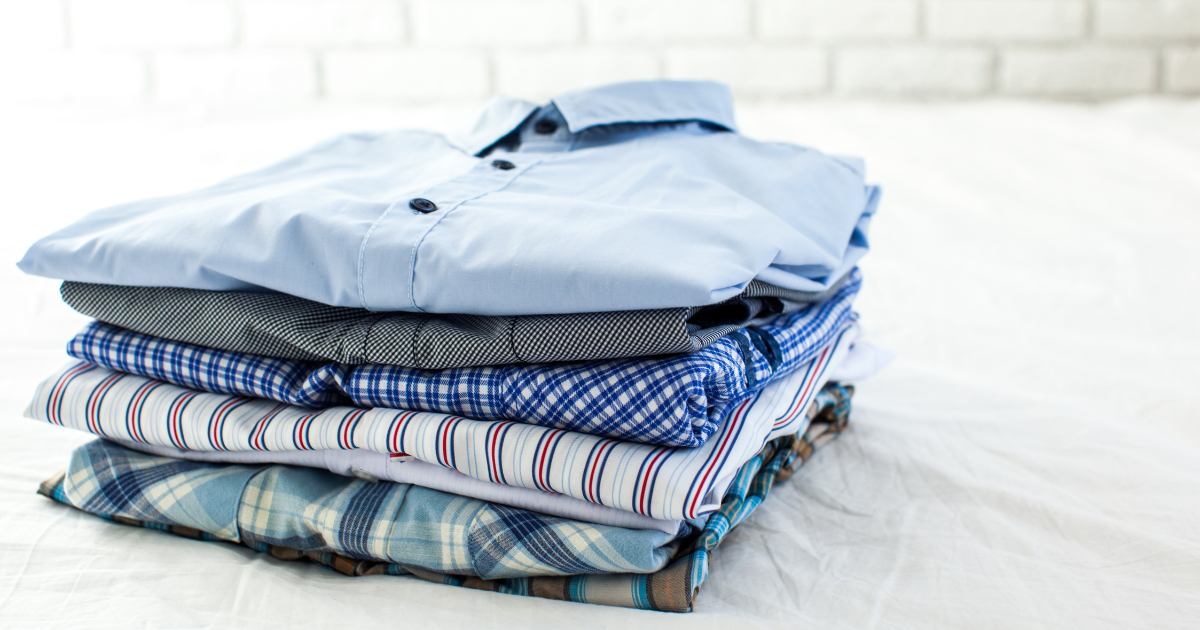
If you’re dealing with more than a few fire and water damaged clothes, or the damage involves smoke, contaminated water, or mold, professional textile restoration services give your clothes the best chance of coming back to you. Restoration specialists use industrial-grade extraction, ozone treatment, specialized detergents, and controlled drying that home setups simply can’t replicate. We can also coordinate directly with your insurance company, which is one more thing off your plate during a time when everything feels like too much.
For more, see our deeper dive on textile restoration or our piece on water damage restoration in Charlotte, NC. For the bigger flood recovery picture, FEMA’s recovery resources are a great starting point.
We’ve Got Your Clothes, You’ve Got Enough to Worry About
Recovering from a fire or flood is one of the hardest things a family can go through. There’s grief in it, even for things that seem small from the outside, like a favorite sweater or the dress your child wore to a milestone moment. We understand that, and we take that responsibility seriously.
At WashRoom Laundry, our goal is to bring back as much of your wardrobe as possible through careful fire and water damage restoration, with expertise and honesty about what’s realistic. We want to give you one less thing to think about, and a little piece of normal life back when so much feels uncertain. Whatever you’re going through, your clothes are in good hands with us.
Need help with fire and water damaged clothes? Get in touch with WashRoom Laundry and we’ll walk you through next steps.