Why Stuffed Animal Cleaning Is So Important for Daycares, Clinics, and Nurseries
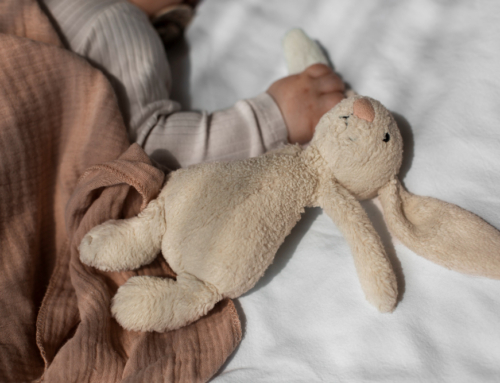
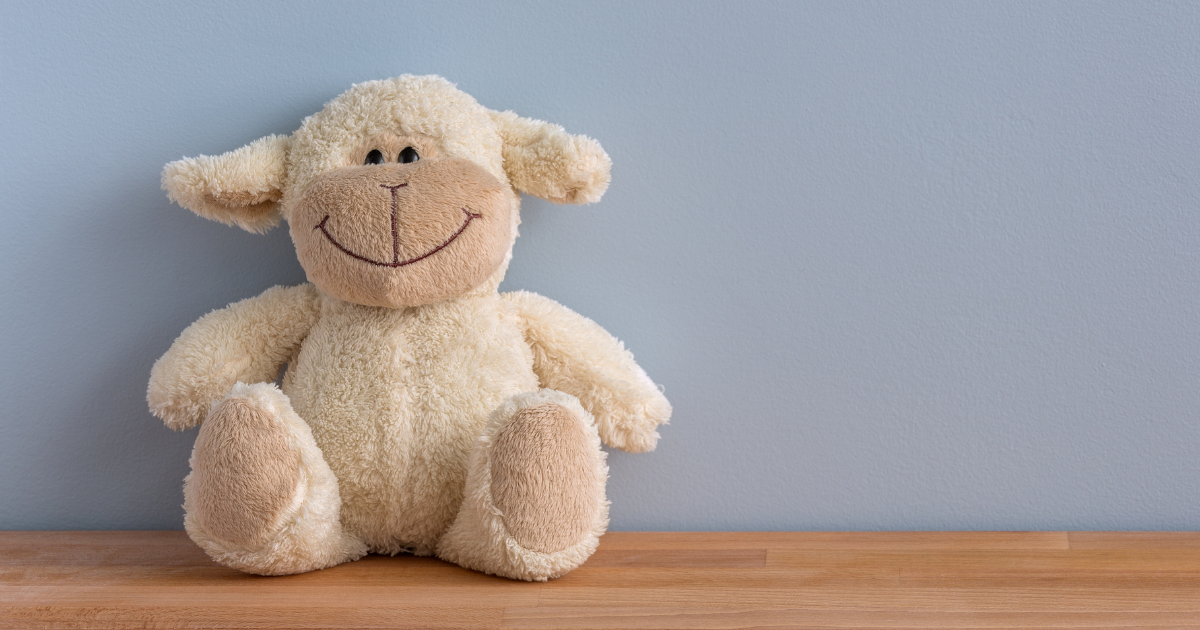
Take a quick look around your play area and find the bunny. You know the one. It’s got a slightly matted ear, it’s been hugged by every kid who’s walked through your door, and it has almost certainly spent time in someone’s mouth.
Now think about the last time it got washed.
Hard toys are easy. Somebody wipes them down at the end of the day and everyone moves on. Plush toys, though, tend to go right back on the shelf, because nobody’s quite sure whose job it is or how it’s supposed to happen. Stuffed animal cleaning is one of those tasks that quietly slides to the bottom of the list until it becomes a much bigger project.
Let’s fix that.
Why Stuffed Animals Need Special Attention in Shared Spaces
Soft toys behave differently than plastic ones. Fabric holds onto things. Over a normal week, a shared plush toy can pick up saliva, snack crumbs, juice, hand lotion, playground dirt, and whatever was on the floor at 10 a.m.
Here’s the tricky part. Plush never looks dirty until it’s very dirty. A stuffed animal absorbs the day and then hides the evidence, which is how a toy quietly goes six months between washes.
That’s the case for putting stuffed animal cleaning on a schedule instead of leaving it to whoever notices first. This isn’t about eliminating every risk. Cleaning toys in daycare is routine maintenance for items that get handled constantly, and stuffed animal cleaning belongs in that same category. It keeps your space looking and feeling cared for, which parents absolutely notice.
How Often Should Daycares and Nurseries Clean Stuffed Animals?
There’s no single number that fits every facility. The better question is how the toy gets used.
The CDC’s guidance for early care and education settings groups cloth toys with other soft surfaces and recommends laundering them when possible, following the manufacturer’s instructions, using the warmest appropriate water setting, and drying them completely. That’s the closest thing to an official answer on how to clean stuffed animals in a childcare setting, and it’s a good baseline to build your schedule around.
Two situations move a toy to the front of the line.
After a Toy Has Been Mouthed or Visibly Soiled
Some toys earn an early exit. Anything visibly dirty gets taken out right then, and the same goes for anything that’s been chewed on or caught the aftermath of a spill, a sneeze, or a rough afternoon. The CDC recommends pulling those right away and washing as soon as possible.
When Stuffed Animals Are Shared Between Children
A plush toy that four toddlers pass around needs a much tighter schedule than one that lives in a single child’s cubby. The more hands a toy touches, the more often you’ll want to clean stuffed animals in that group. Shared items should be on a regular, predictable rotation. Comfort items that belong to one child can go longer between washes.
Cleaning Stuffed Animals Is Different From Cleaning Hard Toys
Cleaning, sanitizing, and disinfecting get used interchangeably and they don’t mean the same thing. The CDC defines cleaning as removing germs and dirt with soap, water, and scrubbing. Sanitizing reduces germs to a level public health codes consider safe. Disinfecting uses stronger products to destroy what’s left after cleaning.
A hard toy can be wiped, sprayed, or in some cases run through a dishwasher. A stuffed animal can’t do any of that. Fabric and stuffing have to be laundered and then dried all the way through, and “all the way through” is the part that trips people up. A plush toy that feels dry on the outside can still be damp in the middle, and damp stuffing is how you end up with a musty toy nobody wants to touch.
If you’re curious about the mechanics of how to wash plush toys at home, we walk through it in our guide on how often you should wash stuffed animals.
What About Stuffed Animals in Pediatric Clinics?
Clinic waiting rooms play by different rules. The American Academy of Pediatrics advises pediatric practices to avoid shared toys altogether in the waiting area, and suggests individual play items or simply encouraging families to bring a favorite toy from home (AAP, Infection Prevention and Control Resources for Pediatric Practices). Plush toys are the hardest of all to work into that, since they can’t be wiped down between kids.
No amount of professional laundering changes that, and we’re not going to pretend otherwise. If you run a pediatric or family clinic, hard, wipeable toys are the better call for shared spaces.
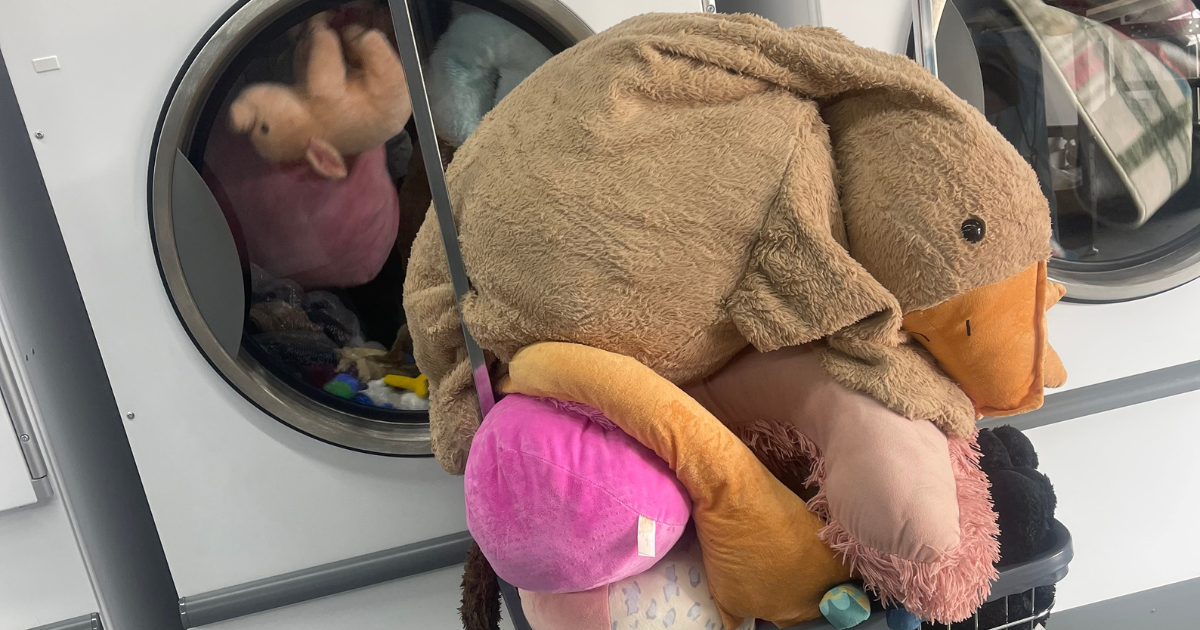
That doesn’t mean there’s nothing here for you. Clinics and therapy practices move a real volume of blankets, sheets, towels, smocks, and weighted lap pads, and that’s exactly the kind of rotation we handle. If your team is squeezing laundry in between patients, it’s worth a conversation.
Which Stuffed Animals Can Be Professionally Laundered?
Not every plush toy is a candidate. Before anything goes in a bag, check for:
- A care label, and whether it says machine washable
- Battery packs, speakers, or sound boxes
- Glued-on eyes, noses, or embellishments
- Fragile seams, thin fabric, or older, well-loved toys
- Foam pellets or bead filling, which can shift or clump
If you’re not sure, ask us. We’d rather flag a toy up front than hand you back a sad, lopsided giraffe.
Make Stuffed Animal Cleaning Part of Your Facility’s Laundry Routine
The facilities that handle this well don’t treat plush as a separate chore. They fold it into the laundry they’re already doing.
That usually means a few small habits rather than a new system. Plush toys get counted in the same rotation as the soft goods, so nobody’s guessing when the bunny was last washed. There’s a spot for anything pulled mid-day, whether that’s a labeled bin or just a designated basket, so a soiled toy doesn’t sit on a shelf waiting to be noticed. And the toys that can’t be laundered get sorted out once, up front, instead of being rediscovered every few months.
Don’t Forget Bedding, Blankets, Bibs and Other Soft Items
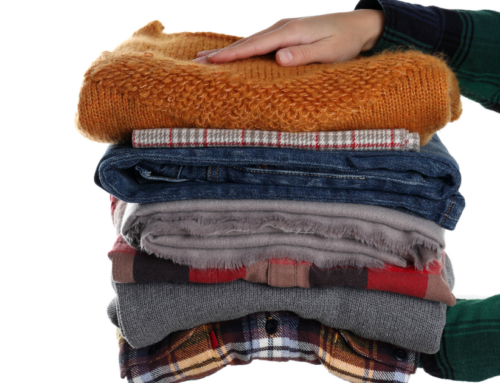
Cot sheets, nap blankets, bibs, towels, art smocks, dress-up clothes, cuddle pillows. The CDC recommends laundering cloth items like bibs and placemats after each use, and once you’re moving that volume anyway, adding machine-washable plush toys is barely a change to the workflow. The same pickup that takes your bedding can take the bunny.
When Professional Laundry Service Makes Sense
Somebody at your facility is spending real hours sorting, washing, drying, folding, and hunting for the second cot sheet. That’s time they could be spending with kids.
We handle the pickup, the washing, the drying, and the delivery on a schedule you set. Nobody on your team has to think about whether there are clean cot sheets for tomorrow.
Keep Your Facility’s Washable Items Ready for Everyday Use
Clean plush toys, fresh cot sheets, and a stack of bibs that’s actually stocked and ready to go. That’s the goal, and it shouldn’t be the thing your team is still dealing with at closing.
Leave the laundry to us. You’ve got enough on your plate.