How Often Should You Wash Stuffed Animals? A Parent’s Guide
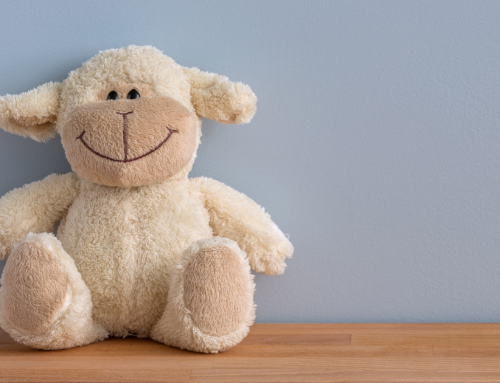
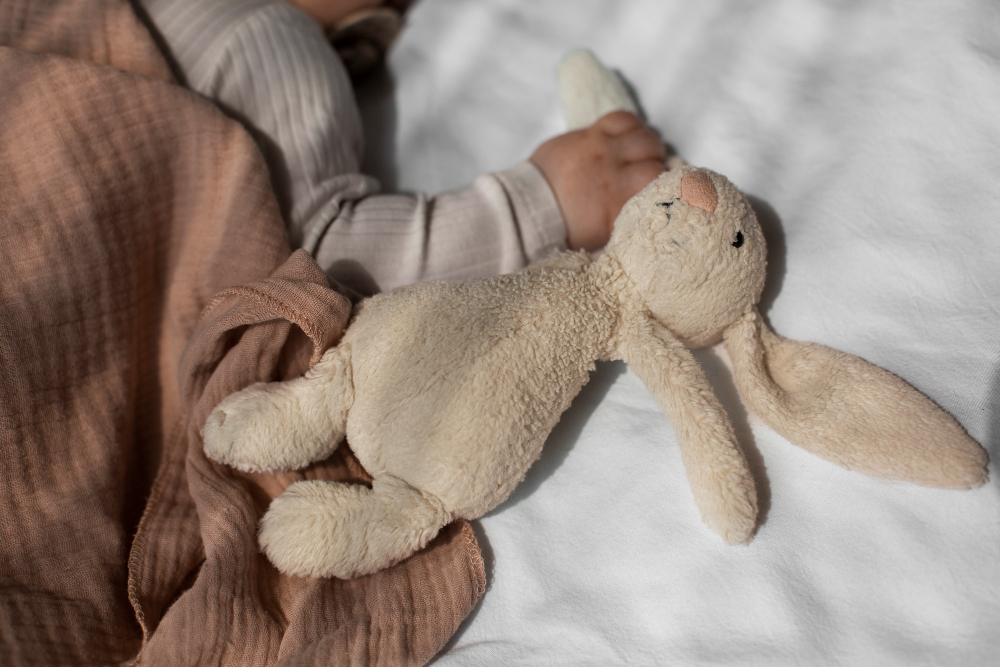
Stuffed animals are more than toys. They are bedtime companions, car-seat buddies, sick-day comfort items, classroom favorites, and, for collectors, treasured plush keepsakes. They also collect dust, dirt, saliva, snack crumbs, pet hair, and everyday germs over time. That is why washing stuffed animals on the right schedule matters.
The tricky part is knowing when to wash them, how to wash stuffed animals without ruining them, and when it is smarter to let a professional laundry service handle the job. This guide is designed for parents, caregivers, teachers, daycare teams, and plush collectors who want to keep stuffed animals clean without damaging them.
Can You Wash Stuffed Animals?
Yes, you can wash stuffed animals, but not every plush toy should be cleaned the same way. Before you put stuffed animals in the washing machine, check the care tag. Many modern plush toys are machine washable, while older, delicate, handmade, collectible, or battery-operated plushies may need hand washing, spot cleaning, or professional care.
Items with batteries, music boxes, lights, glued-on pieces, leather details, or delicate embellishments should usually not be submerged in water. Even if a stuffed animal looks sturdy, the inside may not be designed to handle a full wash cycle. That is why reading the label and looking closely at the seams, stuffing, and attachments is always worth the extra minute.
How Often Should You Wash Stuffed Animals?
For most household stuffed animals, a good rule of thumb is to wash them every few weeks to every few months, depending on how often they are used. Plush toys slept with nightly or carried to daycare, school, stores, or trips should be washed more often, usually every one to two weeks or after heavy use.
Stuffed animals should also be washed after a child has been sick, after being mouthed or sneezed on, or after being shared in a classroom, daycare, therapy office, or playroom. Display-only plushies or adult collectibles may only need light cleaning every three to six months, plus spot cleaning as needed.
In general, the more a stuffed animal is hugged, dragged around, slept with, or shared, the more often it should be cleaned. For delicate, oversized, or well-loved plush toys, professional laundry care can help keep them fresh without the stress of guessing the safest cleaning method.
Best Way to Clean Stuffed Animals Without Ruining Them
The best way to clean stuffed animals depends on the toy’s material, age, and condition. For machine-washable plushies, use a mesh laundry bag or pillowcase, a gentle cycle, cold water, and mild detergent to help protect the fur, seams, and stuffing.
For delicate, old, or collectible stuffed animals, hand washing or spot cleaning is usually safer. Use a damp cloth, mild detergent, and gentle blotting instead of scrubbing. The same careful approach applies to other kid’s items, like Halloween costumes, uniforms, and fabrics with trims, foam, or embellishments.
Can Stuffed Animals Go in the Dryer?
Sometimes, but air drying is usually safest. Heat can damage faux fur, loosen glue, melt plastic parts, or make stuffing clumpy. After washing, press out excess water with a clean towel, reshape the plush, and let it dry completely.
If the care tag allows tumble drying, use low heat or an air-only setting and check it often. Make sure the stuffed animal is fully dry before returning it to a bed, toy bin, backpack, or classroom shelf to prevent odors or mildew.
When Should You Sanitize Stuffed Animals?
Regular cleaning removes dirt and many everyday germs, but sanitizing or disinfecting is different. Cleaning usually refers to removing visible dirt, oils, and buildup. Sanitizing helps reduce germs to safer levels. Disinfecting is a stronger process used when there is a higher risk of illness or contamination.
You may want to sanitize stuffed animals when a child has been sick, when a toy has been mouthed or sneezed on, when the plush is shared in a daycare or classroom, or when someone in the home has allergies, asthma, or a weakened immune system. For shared plush toys in daycares, classrooms, or therapy spaces, it can help to follow the CDC’s guidance on cleaning, sanitizing, and disinfecting early care environments so toys are handled safely between uses.
When to Use a Professional Laundry Service
DIY is fine for many everyday plush toys, but a professional laundry service can save time and reduce the guesswork when you are dealing with a pile of stuffed animals, bulky kid items, or delicate favorites you do not want to risk damaging.
Choosing laundry help does not mean you are cutting corners. In fact, paying for a laundry service isn’t lazy, it is actually a practical way to protect your time while keeping family laundry under control.
Professional laundry help is especially useful for busy families, daycares, schools, plush collectors, and anyone cleaning after illness, travel, spills, or accidents. It can also be a better option for large stuffed animals that do not fit well in a home washer.
A laundry service has the equipment and experience to handle bulky or frequent loads properly, helping keep plush toys clean while keeping your family’s laundry routine under control.
Keep Stuffed Animals Clean Without Adding More to Your Laundry Day
So, should you wash stuffed animals? Absolutely, especially the ones that are hugged, dragged, slept with, shared, or taken on the go. The right schedule depends on how the plush toy is used, who is using it, and whether it needs a simple refresh or a deeper clean.
When you have one small teddy bear, a careful DIY wash may be enough. When you have a whole household of plushies, school items, bedding, uniforms, and delicate kid gear, WashRoom Laundry can help take the load off your plate.
Schedule a pickup with The WashRoom Laundry Service and let us help keep your family’s favorite comfort items fresh, clean, and ready for the next hug.