Smoke Damage, Water Damage, and Mold on Clothes: Why Textile Restoration Beats Replacement
A fire. A burst pipe. A stubborn patch of mold that crept in after a storm. When something goes wrong in your home or building, the damage you can see on your walls and floors is only part of the story. The clothes in your closet, the curtains on your windows, the throw blankets on your couch, they take a hit too.
The good news? A lot more is salvageable than you’d think. At WashRoom Laundry, we handle textile restoration for both residential and commercial clients, working alongside restoration companies, insurance adjusters, and property managers to recover soft goods the right way.
Here’s what you need to know:
Can Clothes Be Saved After Smoke Damage?
Modern smoke is not the same as something you would experience near a campfire. According to the National Fire Protection Association (NFPA), today’s homes are filled with synthetic materials such as plastics, foams, and treated fabrics that produce toxic, acidic smoke when burned. That smoke embeds itself deep into fibers and, if left untreated, permanently breaks them down.
So, can clothes be saved after a fire? Often, yes. But the window matters, and so does the method.
Standard dry cleaning does not cut it here. Smoke particulates need specialized chemistry to lift them out at a molecular level. We use systems like Esporta Wash or ozone and hydroxyl chamber treatments that go far beyond what a home washer or conventional cleaner can do. These technologies don’t just mask odors; they eliminate the microscopic soot and chemical residue that makes smoke-damaged clothing unsafe to wear.
One thing to avoid: DIY remedies like vinegar, baking soda, or dish soap can actually set smoke odors permanently into fabric. When in doubt, bag the items, keep them out of sunlight, and call a professional before attempting anything at home.
Water Damaged Clothes: Why the Type of Water Changes Everything
Water damage moves fast. Within 24 to 48 hours, damp textiles can begin developing mold and bacteria. The type of water involved matters enormously:
- Clean water: from something like a burst pipe or supply line is the easiest to work with
- Gray water: from appliances or overflow carries contaminants and needs more care
- Black water: from sewage or floodwater is the most serious and requires aggressive remediation.
No matter the source, water-damaged textiles carry real risks that go beyond what a home wash can fix. The IICRC S500 standard sets the benchmark for water damage restoration. We follow those protocols closely because this is a health issue first and a laundry problem second.
Mold on Clothes: What It Actually Means and What to Do
Finding mold on clothes after a flood or a slow leak is unsettling. But it is not always a death sentence for the garment. The EPA’s guidelines on mold and porous materials recommend professional cleaning for fabrics that cannot be thoroughly dried and treated. Mold spores are not visible to the naked eye, and simply washing an item at home typically does not eliminate the colony.
We treat mold-affected textiles according to the IICRC S520 standard for mold remediation, the same framework that guides certified restoration professionals. Our process kills spores, removes residue, and gets items back to a condition that is actually safe to use again.
The Right Way to Handle Mold on Clothes
If you discover mold on fabrics after water damage, here is what we recommend:
- Do not shake or brush the items; you’ll spread spores
- Seal them in a plastic bag before transporting
- Avoid putting them in a shared washer at home
- Contact a textile restoration specialist before writing items off as a total loss
Acting fast makes all the difference, and so does knowing the real cost of waiting.
Textile Restoration vs. Replacement Cost: The Number That Changes Minds
For insurance adjusters and property managers, the math on textile restoration vs. replacement cost usually lands in favor of restoration, significantly so. A wardrobe that costs $4,000 to replace might be restored for a fraction of that. The Restoration Industry Association (RIA) consistently points to contents restoration as one of the highest-value services in a claims scenario.
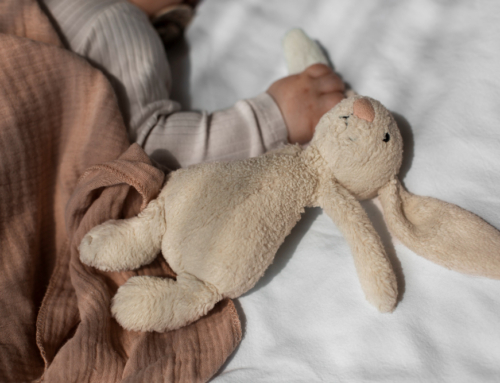
And for homeowners, it is not always about dollars. Some things simply cannot be replaced: a grandmother’s quilt, a child’s well-loved stuffed animal, a wedding veil. Restoration makes it possible to get those things back.
The Total Loss Mistake: What People Throw Away That We Can Actually Save
We see it all the time. People assume that if something looks or smells bad after a disaster, it’s done for. That is rarely true. Here are items commonly written off that professional textile restoration can often recover:
- Leather shoes and belts
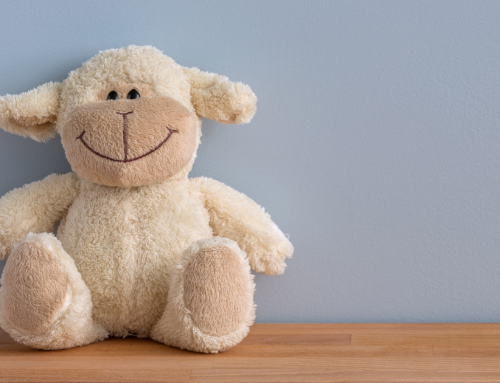
- Stuffed animals and soft toys
- Window drapery
- Down comforters and pillows
- Heirloom linens and quilts
- Uniforms, formalwear, and specialty garments
- Area rugs and decorative textiles
The key is acting quickly and getting items into professional hands before the damage becomes irreversible.
A Note on What Restoration Cannot Promise
Not every item makes it, and we won’t pretend otherwise. Severe charring, deep mold saturation, or prolonged floodwater exposure can cause damage beyond recovery. Our team gives you an honest assessment on every single item, so you always know exactly where things stand.
Dealing with fire, water, or mold damage? We’ll tell you exactly what can be saved and handle the rest.
WashRoom Laundry works directly with restoration companies, adjusters, and homeowners to make the process as smooth as possible. See how our restoration service works.