The Top 5 Most Common Stains (And How To Remove Them)
Stains happen fast. Coffee on a work shirt, grease on a restaurant uniform, grass on kids’ clothes, wine on table linens, or ink on bedding can quickly become a laundry headache. Many of these common stains can be treated at home when handled carefully, but different fabrics and messes call for different methods.
The key is knowing what to do first. Different clothes stains need different methods, and the wrong step may make the problem harder to fix. This guide covers coffee stains, grass stains, oil stains, grease stains, blood stains, wine stains, ink stains, and food stains.
Before You Treat A Stain
These are general stain-treatment suggestions. Always check the garment care label, test any cleaning method on a hidden area first, and understand that stain treatment can sometimes affect fabric color, texture, or quality. For guidance, the Smithsonian’s stain removal resource explains that different stains and fabrics may require different treatment methods.
Start with a few basics. Blot instead of rubbing, since rubbing can push residue deeper into fabric. Treat the spot before drying, because dryer heat may set it. Use cold water for protein-based issues like blood, and use warm water carefully for oil or grease only when the fabric allows.
1. Coffee Stains
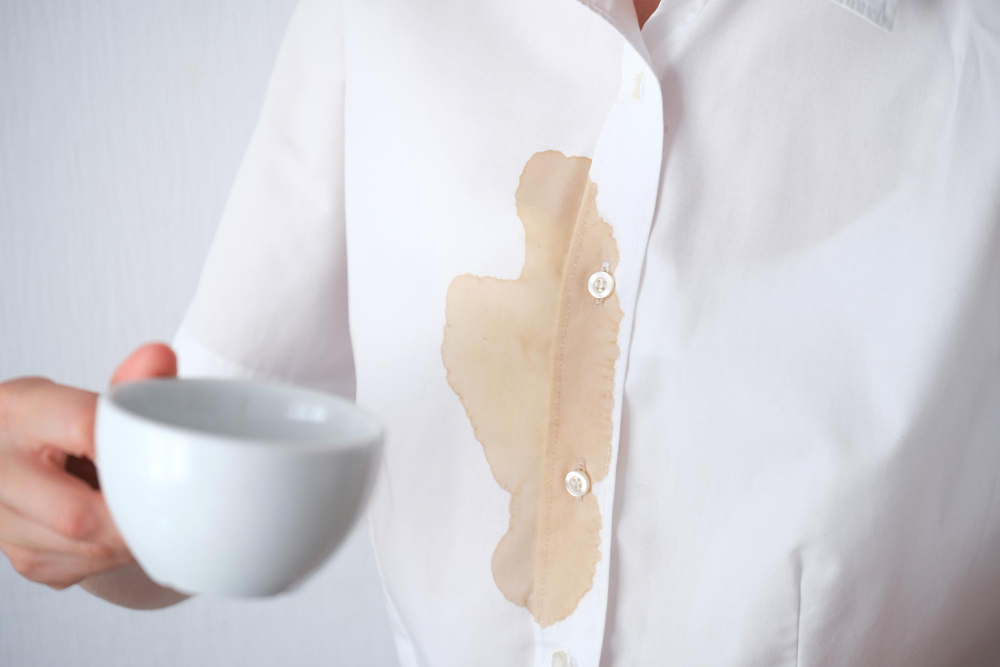
Coffee is one of the most common stains on clothing, uniforms, table linens, bedding, and office laundry. It is also a frequent food stain for restaurants, hotels, breakrooms, and busy households.
To treat coffee, blot the area with a clean cloth or paper towel. If the fabric allows, rinse the back of the spot with cool water. Apply a small amount of liquid laundry detergent or mild stain remover, let it sit for several minutes, then wash according to the care label.
Check the item before drying. If discoloration remains, repeat the treatment first.
2. Grass Stains
Grass marks are common on children’s clothing, sports uniforms, towels, outdoor linens, and athletic facility laundry. They can be stubborn because they often include natural pigments, dirt, and moisture.
Gently remove loose dirt first. Apply liquid detergent or stain remover directly to the affected area and let it sit for several minutes. Wash according to the care label, using the warmest water that is safe for the fabric.
Avoid aggressive scrubbing, especially on delicate fabrics. If the mark remains after washing, repeat the pretreatment before drying.
3. Oil And Grease Stains
Oil stains and grease stains can cling to fabric and may not be fully visible until after washing. These are especially common for restaurants, salons, maintenance teams, mechanics, gyms, and households. They also show up as food stains on uniforms, aprons, tablecloths, napkins, and kitchen towels.
Blot away excess oil or grease without spreading it. Apply a small amount of dish soap or liquid laundry detergent to the area and gently work it in. Let it sit for several minutes, then wash according to the care label, using warm water if the fabric allows.
If you are trying to remove stains from clothes after an oily spill, do not dry the item too soon. Heat can make oily residue harder to remove.
4. Blood Stains
Blood stains require careful handling, especially on clothing, bedding, towels, medical office laundry, salon laundry, and gym laundry. Start with cold water, not hot water. Hot water may set protein-based residue and make it harder to remove.
Rinse from the back of the fabric with cold water when possible. Apply a small amount of liquid laundry detergent or appropriate stain remover. Let it sit briefly, then wash according to the care label. Check before drying.
When these spots show up in bulk, professional laundry service may be the more practical option.
5. Wine And Ink Stains
Wine stains and ink stains are different, but both can spread quickly and leave strong color behind. These spills often affect restaurant linens, hotel bedding, office uniforms, napkins, towels, and personal clothing.
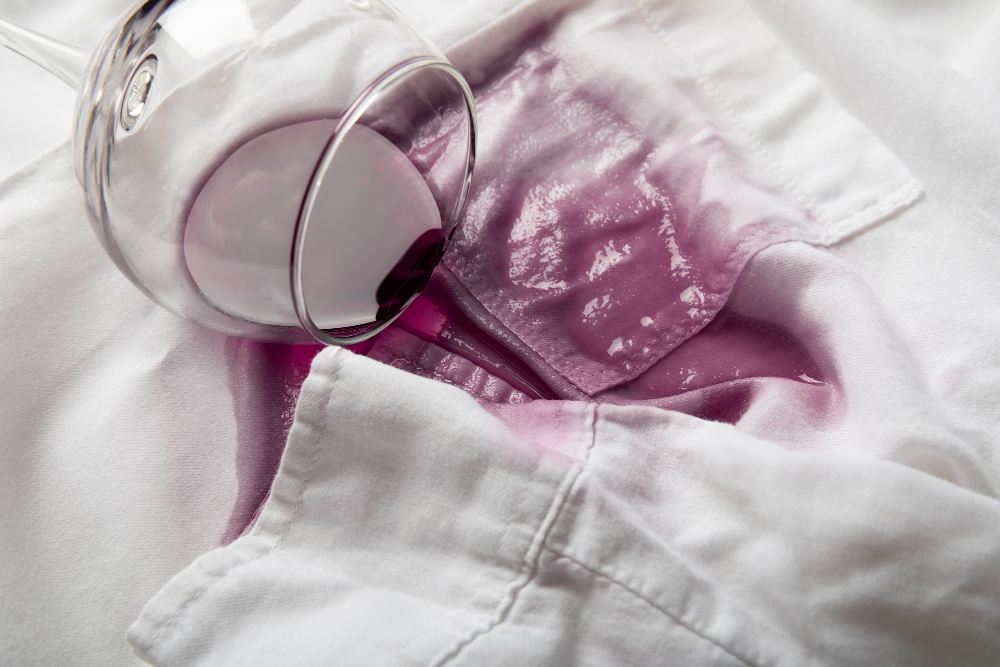
For wine, blot immediately with a clean cloth. Do not rub. Rinse with cool water if the fabric allows, then apply a mild detergent or stain remover before washing. Avoid dryer heat until the color is reduced as much as possible.
Ink can be more complicated. Place a clean cloth or paper towel behind the affected area to help absorb transfer. Depending on the fabric and ink type, rubbing alcohol may help loosen some ink, but test it on a hidden area first.
Create Your Own On-the-Go Spill Kit
Here’s a quick & easy way to make your own little spill kit. Tell all your friends that WRL hooked you up!
Keep a few basic stain-fighting items in your car, desk drawer, work bag, breakroom, or office cabinet so you are ready when coffee, food, grease, or other everyday spills happen. This kit is not meant to replace a full wash, but it can help you blot, absorb, and pretreat the spot until the item can be laundered properly.
What To Include In Your Spill Kit
- Clean white cloths: Use these for blotting spills without transferring color or dye onto the fabric.
- Paper towels or napkins: Helpful for quickly absorbing extra liquid before it spreads.
- Baking soda: Useful for absorbing moisture, odors, and some oily residue until you can wash the item.
- Travel-size stain remover: A small stain stick, wipe, or spray can help pretreat washable fabrics on the go.
- Mild dish soap: A tiny travel bottle can be helpful for food, oil, or grease spots when the fabric allows.
- Small zip-top bag: Use this to store damp cloths or keep a stained item separate until laundry time.
Quick tip: Blot first, do not rub. Always test any stain remover, soap, or cleaning method on a hidden area when possible, and check the garment care label before washing.
DIY Stain Removal vs. Professional Laundry Service
DIY stain removal makes sense when the spill is fresh, the fabric is durable, and you have time to treat it carefully. For one small mark on washable clothing, an at-home approach may help.
Professional laundry service may be better when the item is delicate, the spot is old or already dried, or the load is large. It can also be helpful for uniforms, towels, linens, bedding, business laundry, and recurring clothes stains.
The WashRoom Laundry offers a convenient wash and fold laundry service for families and businesses that need dependable laundry support.
If you manage high-volume laundry for a restaurant, hotel, gym, salon, office, or rental property, this guide on commercial laundry services for business may also be helpful. Some laundry problems go beyond common stains, including smoke, fire, flooding, mildew, and water damage. If you are dealing with damaged clothing or linens, read our guide on handling fire and water damaged clothes.
Make Laundry Easier With The WashRoom Laundry
Knowing how to remove stains from clothes can help you respond quickly when spills happen. For tougher marks, delicate items, food stains, bulk laundry, business linens, towels, bedding, or uniforms, professional help can save time and reduce the risk of damaging the fabric.
Need help with everyday laundry or business laundry? Schedule service with The WashRoom Laundry and let our team handle the washing, drying, and folding for you.