Restaurant Hood Cleaning and Laundry: What to Do With Greasy Towels, Rags, and Uniforms
The hood is sparkling, the ducts are clear, and the exhaust fan is humming like it just got a spa day. Your restaurant hood cleaning job is done, right? Not quite. There’s still a mountain of grease-soaked towels, rags, and uniforms sitting in the back of the truck, and that pile deserves just as much attention as the hood itself.
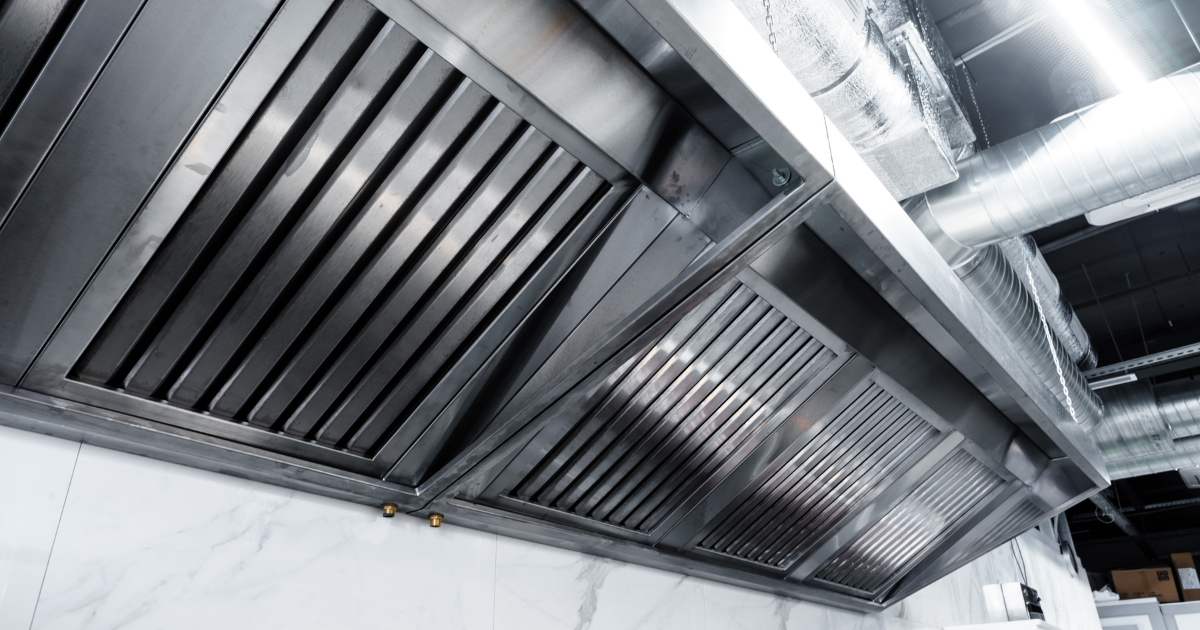
Whether your company handles commercial hood cleaning for local kitchens or your staff takes care of restaurant hood cleaning in-house, here’s what you need to know about the linens left behind, plus how to keep them from becoming your next headache.
Why Hood Cleaning Creates a Laundry Problem
How Grease, Degreaser, and Carbon Build Up in Towels and Uniforms
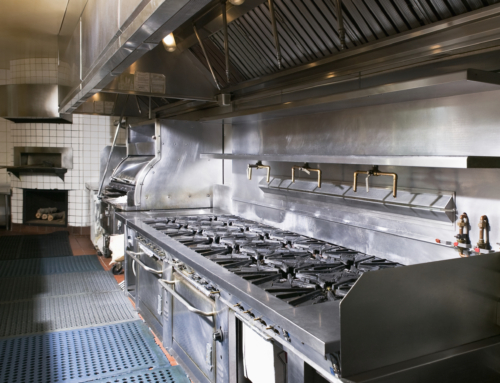
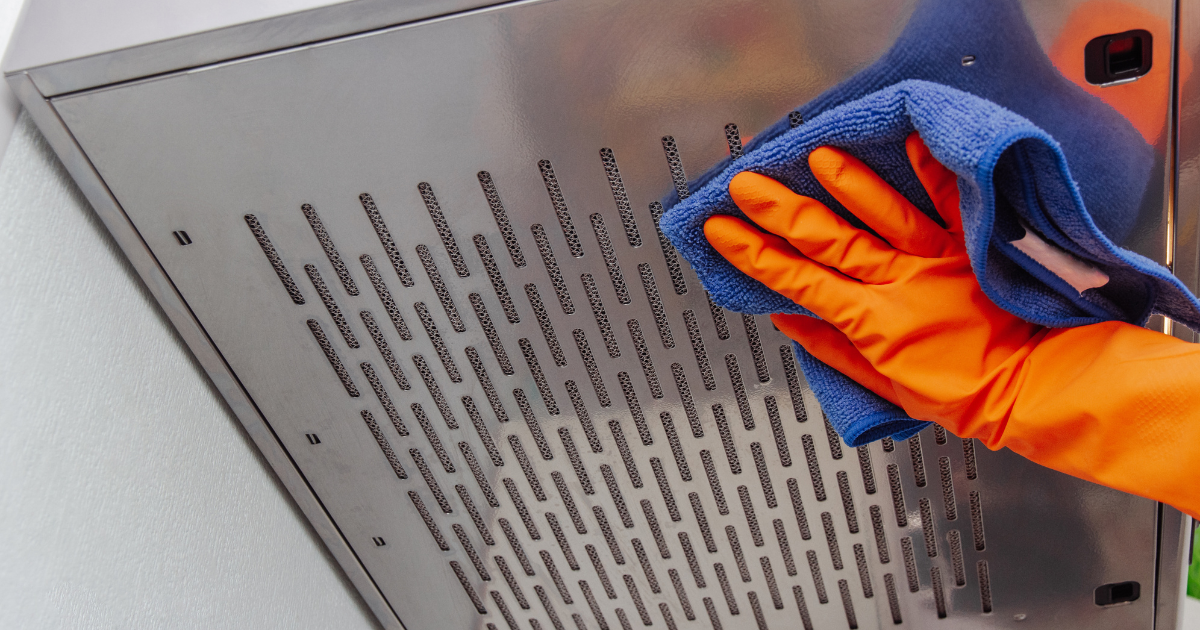
Restaurant hood cleaning is messy work. Your crew is scraping off layers of baked-on cooking grease, spraying heavy-duty degreasers, and wiping away carbon buildup. All of that has to go somewhere, and most of it ends up soaked into towels, rags, aprons, and uniforms.
By the end of a shift, those textiles aren’t just dirty. They’re loaded with oily residue, chemical leftovers, and an odor that could clear a room faster than a fire drill.
Why Post-Job Laundry Shouldn’t Be an Afterthought
It’s tempting to toss everything in a bag and deal with it later. But later has a way of turning into next week. Greasy laundry that sits around isn’t just a smell problem. It’s a safety issue, an equipment issue, and an operations issue all rolled into one stinky bundle.
The Hidden Risk of Grease-Soaked Rags and Towels
What Spontaneous Combustion Means for Oily Rags
Here’s the part that surprises a lot of people: spontaneous combustion of oily rags is a real thing. When certain oils and fats break down, they react with the air and give off heat. That’s what’s known as an oxidation hazard. In a tightly packed pile, that heat has nowhere to escape, and it can build until the rags catch fire on their own. No match required.
The National Park Service put out a safety alert on oily rags explaining exactly how this happens and why proper storage matters. It’s a quick read, and we’d recommend sharing it with your crew.
Why Greasy Towels Should Never Be Left in Piles, Bags, or Bins
Piles, plastic bags, and open bins are basically little heat traps. They hold the warmth in and give oxygen just enough access to keep the reaction going. So that bag of towels tossed in a back corner? It’s not as harmless as it looks.
How to Store Used Towels and Linens After Restaurant Hood Cleaning
Why Approved Oily Waste Cans Matter
If you’re wondering how to store oily rags, start with the right container. OSHA’s housekeeping standard calls for oily rags and flammable waste to be kept in fire-resistant, covered containers until they’re removed. Their guidance on disposal of waste materials is worth a look too. Approved oily waste cans are designed with self-closing lids that limit oxygen and help contain trouble if something does go wrong.
What to Avoid When Storing Grease-Soaked Laundry
Your local fire marshal, OSHA, NFPA, and insurance provider always have the final say on flammable rag storage, but a few simple don’ts go a long way:
- Don’t stuff greasy towels into plastic trash bags.
- Don’t leave them piled in a truck bed, storage room, or laundry corner.
- Don’t store them near heat sources like water heaters, dryers, or sunny windows.
- Don’t let them sit for days waiting on laundry day.
Why Standard Washing May Not Be Enough
How Cooking Grease Can Linger in Fabric Fibers
A regular wash cycle is great for everyday laundry. But heavily grease-soaked commercial towels, rags, and uniforms are a different animal. Cooking oil clings to fabric fibers, and a standard home or light-duty machine may not get it all out. What’s left behind can keep that odor hanging around and still carry some risk.
Why Dryer Heat Can Create Additional Risk
Here’s where it gets tricky. If oily residue is still hiding in the fabric, dryer heat can kick that oxidation process back into gear. A warm load of towels pulled out and left piled up can keep heating from the inside. That’s why grease-heavy items need a process built for them, not just an extra rinse and some crossed fingers.
What Restaurants and Hood Cleaning Companies Should Do Instead
Separate Grease-Heavy Items From Standard Linens
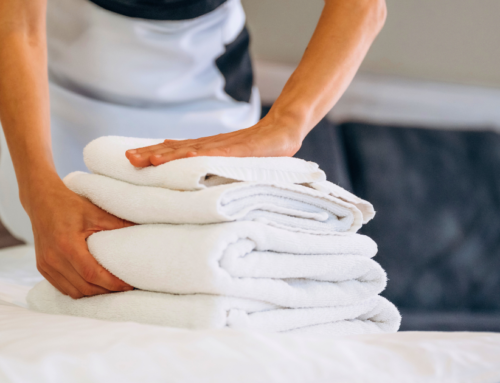
Keep your hood cleaning towels and uniforms away from front-of-house linens, napkins, and lighter laundry. Mixing them spreads grease and odor to everything else, and nobody wants a tablecloth that smells like a fryer vent.
Set Up a Recurring Commercial Laundry Pickup Plan
The best way to keep greasy laundry from piling up is to never let it pile up. A recurring pickup schedule means used linens leave your space on a regular rhythm instead of hanging around until someone gets to it. It’s one less thing on your crew’s plate and one less pile taking up space.
How WashRoom Laundry Can Help
Commercial Laundry Support for Restaurant Towels, Rags, and Uniforms
Grease doesn’t scare us. We work with businesses that go through towels, rags, and uniforms faster than they can wash them. For restaurants, that means a reliable restaurant linen service. For cleaning companies, it’s an industrial rag service that keeps up with your schedule.
Commercial kitchen exhaust cleaning keeps your crew plenty busy, so let us take laundry off the list. We’ll pick up your greasy towels and uniforms and bring them back clean on a schedule that fits your week. Running a restaurant? Take a peek at our restaurant laundry services to see how we help kitchens stay stocked and stress-free.
Of course, no laundry service can erase every fire risk, and safe storage on your end still matters. What we can do is take the heavy lifting off your hands, so your linens come back fresh and ready for the next job.
The Takeaway
A sparkling hood is only half the job when it comes to vent hood cleaning. Store greasy linens safely, keep them separate, and get them cleaned on a regular schedule. Do that, and you’ll protect your team, your gear, and your nose.
Ready to ditch the grease pile for good? Check out our commercial laundry services and set up your first pickup today. Leave the grease to us and get back to what you do best.