Should You Use Fabric Softener? The Pros, Cons, and the Toxic Truth No One Talks About
If your laundry routine feels incomplete without that splash of fabric softener, you are not alone. Most of us grew up thinking it was a mandatory step for soft, fresh-smelling clothes. But have you ever pulled a towel out of the dryer only to find it feels waxy? Or noticed your gym gear still smells like a workout despite the heavy scent of the softener? We are pulling back the curtain on what fabric softener for laundry is actually doing to your fabrics and your wallet.
At WashRoom Laundry, we take garment care seriously, and we have noticed a growing divide in the laundry world. On one side, there is the undeniable softness; on the other, a growing list of reasons why that softness might be costing you more than just the price of the bottle.
In this guide, we will break down exactly what softener does, the hidden downsides of routine use, and how we achieve that professional finish without the chemical buildup.
What Does Fabric Softener Do, and How Does It Work?
To understand why the laundry world is so divided, we have to look at what’s actually happening inside your washing machine. Think of fabric softener as a conditioner for your clothes. During the wash cycle, fabric fibers especially ones like cotton can become flattened and frayed.
Fabric softener for laundry works by coating these fibers with a thin layer of chemicals—often silicone or fatty acids. These chemicals carry a positive charge that neutralizes the negative static charge of the fabric, making the fibers stand up and feel “slippery” or soft to the touch.
When to Add Fabric Softener
Timing is everything. If you add it too early, the detergent will simply wash it away. Most modern machines have a dedicated dispenser that releases the liquid during the final rinse cycle.
Is Fabric Softener Necessary?
The short answer? No. It doesn’t actually “clean” your clothes; it’s an aesthetic additive. While it makes things feel nice, it’s not a requirement for hygiene or soil removal.
Liquid Softener vs. Dryer Sheets
While both aim for the same result, they work at different stages. Liquid softener is added during the wash, coating the fibers while they are wet for deeper softness. Dryer sheets are heat-activated in the dryer to help with static, but they can leave a film on your dryer’s lint filter and sensors. Both options essentially add a layer of chemicals to your laundry rather than actually cleaning it.
The Pros: Why We Love That Softness
It’s not all bad news. There are legitimate reasons why fabric softener has remained a laundry room staple for decades:
- Reduced Static Cling: This is the big one, especially in the winter. Softeners prevent your socks from sticking to your leggings.
- Pleasant Fragrance: For many, the scent of a specific fabric softener is synonymous with a clean home.
- Easier Ironing: By smoothing out the fibers, softeners can help reduce deep wrinkles, making the ironing board a little less daunting.
- Soft Texture: It can revive older, stiff fabrics and make them feel wearable again by smoothing out the rough surface of the material.
The Cons: The “Toxic Truth” and Hidden Costs
While the immediate results feel great, we have seen how the long-term effects of using fabric softener are often hidden from the average person. Over time, these additives can actually do more harm to your wardrobe than good.
- The Waxy Towel Effect
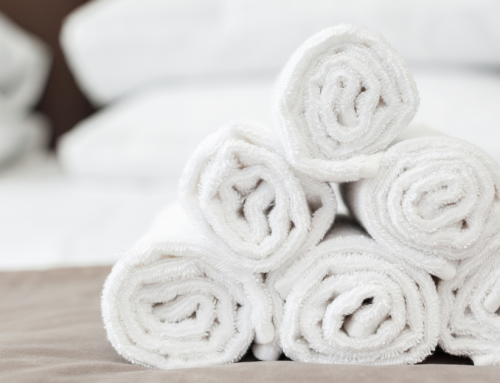
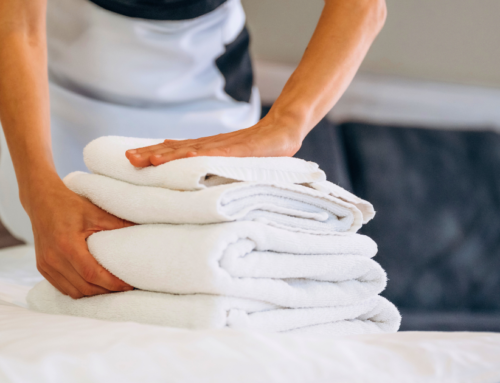
Have you ever dried off after a shower only to feel like the towel is just pushing the water around? That’s the fabric softener at work. Because it coats fibers in a waxy, oil-based layer, it eventually makes your towels water-resistant. The more you use it, the less absorbent your towels become. - Ruining Your Gym Gear
If you love your high-performance moisture-wicking leggings or dry-fit shirts, keep them far away from the softener. That chemical coating clogs the pores of synthetic fabrics, trapping sweat, body oils, and bacteria underneath. It might smell like a meadow on the surface, but those odors are being sealed into the fibers, leading to a permanent scent that does not go away. - Premature Fabric Wear and Higher Costs
While it feels soft now, that constant accumulation of chemicals actually weighs down and weakens fibers over time. This buildup makes fabrics more prone to breaking down, meaning you have to replace your favorite clothes and linens much sooner than you should. Ditching the softener is one of the easiest ways to protect your investment in your wardrobe. - Machine Buildup and Environmental Impact
That same waxy residue does not just stay on your clothes; it builds up inside your washing machine. This can lead to mold growth and laundry grime, which can eventually damage your appliance. Furthermore, many softeners contain petroleum-based chemicals that are not exactly eco-friendly when they rinse out into the water system. - Skin Sensitivities
For those with sensitive skin or eczema, the fragrances and dyes in fabric softener are common triggers. Since the product is designed to stay on the clothes rather than wash off, your skin is in constant contact with these chemicals all day long.

Smart Fabric Softener Alternatives:
If you are looking to ditch the chemicals but still want soft clothes, you have options for achieving a great finish naturally:
- Distilled White Vinegar: Adding half a cup of vinegar to your rinse cycle is a fantastic fabric softener alternative. It helps strip away excess detergent (which is often what makes clothes feel stiff) without leaving a residue or a vinegar smell.
- Wool Dryer Balls: These are a game-changer. They bounce around in the dryer, naturally fluffing the fibers and reducing static without any chemicals.
- Proper Load Sizing: Overloading your machine is a leading cause of stiff clothes. If there isn’t enough room for water to rinse through the fabric, detergent stays trapped in the fibers, making them feel harsh.
How Professional Laundering Changes the Game
At WashRoom Laundry, we often get asked how we get clothes and linens so soft without relying on heavy chemical coatings. The secret isn’t a magic fabric softener—it’s professional technique.
We focus on the variables that at-home laundry often misses:
- Water Temperature & Quality: We ensure the water is at the optimal temperature to fully dissolve detergents.
- Precise Detergent Ratios: We use professional-grade detergents that are designed to rinse away completely, leaving nothing behind but clean fabric.
- Advanced Drying: Our commercial dryers use high airflow systems that naturally fluff the fibers, giving you a soft finish without leaving a waxy coating behind.
By choosing a professional service, you are doing more than just outsourcing a chore; you are extending the life of your wardrobe. Your towels stay absorbent, your gym gear stays fresh, and your skin stays happy.
Make the Smart Choice for Your Clothes
Is fabric softener the worst thing in the world? Not necessarily. But for most modern wardrobes—especially those full of athleisure and high-quality cottons—it is often an unnecessary expense that causes more trouble than it’s worth.
If you are tired of that heavy buildup and want your clothes to look and feel like new for years to come, let us handle the heavy lifting. We have perfected the art of clean, soft clothes while saving you the hassle!
Experience the WashRoom Laundry standard: no residues, no trapped odors, just perfectly clean clothes delivered straight to your door.
Ready to see the difference professional care makes? Schedule your first pickup in under 2 minutes!